The Upside-Down Flag
Citing U.S. Code, Title 4, chapter 1, § 8, Cornell Law School says that flags must not touch the ground, must not be carried horizontally, must not be embroidering onto cushions, must not cover ceilings, must not be used as clothing, and much more. The American Legion says that flags must be displayed near schools, public administrative buildings, police stations, must be hung to the right of other flags, and must be raised “briskly” and lowered “ceremoniously.”
it’s not actually illegal to display a flag upside down. The Supreme Court court decreed that displaying an upside down flag was a form of protected First Amendment speech.
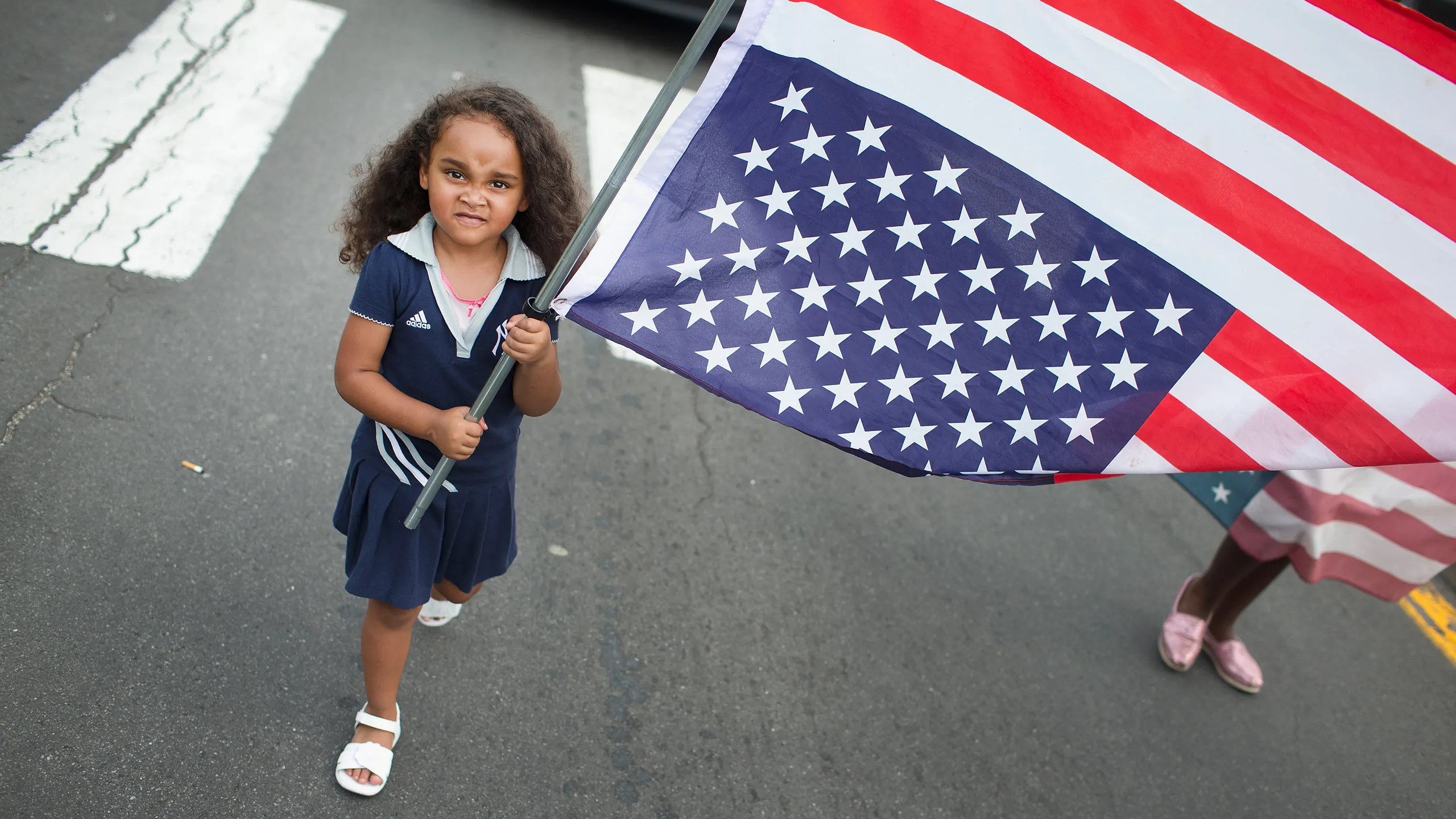
According to the U.S. Flag Code (4 USC § 8), the flag should only be displayed upside down “as a signal of dire distress in instances of extreme danger to life or property.” This tradition comes from maritime and military practices where an inverted flag universally signals distress or emergency.
This clause goes back to 1974, a socially tumultuous time in U.S. history towards the end of the Vietnam War. In 1974, the Supreme Court recognized this same principle applies to civic distress in *Spence v. Washington*, when a college student displayed his flag upside down with peace symbols to protest the Kent State shootings and Cambodia invasion.
The Court ruled unanimously that this was protected speech under the First Amendment, establishing that when citizens witness what they believe to be a threat to our constitutional principles, they have the right to signal that distress through this solemn act.
The practice originated from naval traditions where ships would fly their colors upside down to indicate they were in mortal peril and needed immediate assistance. This convention was codified into American flag etiquette as the nation developed its own maritime and military customs.
Historical Use: Distress Signal
Military Context During wartime, American forces have used the inverted flag to signal genuine distress when under attack or in life-threatening situations where conventional communication wasn’t possible.
This tradition has been honored by Americans across the political spectrum—from Civil Rights activists protesting segregation, to Vietnam War opponents calling for peace, to those concerned about threats to democratic institutions.”
This is not an act of despair—it is an act of hope. It is a call to fellow citizens to recognize the urgency of this moment and to engage in the hard work of democracy.
Declaration of Intent
“Today, I display this flag in its position of distress because I believe our democracy faces genuine peril. This is not about partisan politics—this is about the fundamental principles that unite us as Americans:
– The rule of law that applies equally to all
– The peaceful transfer of power based on fair elections
– The protection of constitutional rights for every citizen
– The separation of powers that prevents tyranny
– The freedom of press that keeps democracy transparent
“I call upon every American, regardless of political affiliation, to engage in peaceful civic action:
– Vote in every election, from local school board to President
– Contact your representatives about issues that matter
– Attend town halls and community meetings
– Support transparent, accountable governance
– Defend the constitutional rights of all citizens, even those with whom you disagree
– Choose democratic dialogue over authoritarian tactics
Legal Disclaimer: This is based on established First Amendment protections. While flag desecration laws exist in some jurisdictions, the Supreme Court has consistently ruled that expressive use of the flag is protected speech under the Constitution.
 whatever because