
You have not just the right but the responsibility to change your position when the evidence changes. That’s not flip-flopping—that’s integrity.
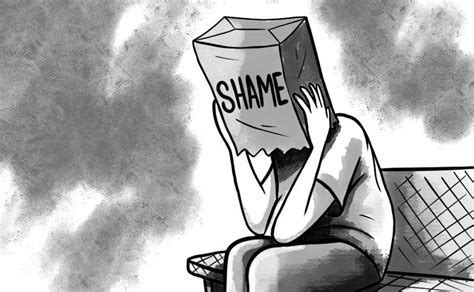
You’re not alone. Throughout history, decent people have found themselves supporting leaders who turned out to be different than they seemed. The shame you might feel right now—that’s not weakness. That’s your conscience working exactly as it should.
Research shows that among Americans who voted for Trump and now regret their decision, 55% describe him as a dangerous dictator, compared to 42% who continue to see him as a strong leader. If you’re reading this and feeling that shift, you’re part of a significant and growing group.
The question isn’t how you got here. The question is what you do now that you see clearly.
History Shows This Pattern Repeats
Political scientists have documented how elected strongmen typically “morph over time into tyrants” even when they “seize power with the intention of helping the nation.” Dictators, according to research, frequently start with some genuine intention to lead the nation to a better future and morph, over time, into ruthless tyrants willing to do anything to remain in power.
You voted for someone who promised to solve problems. The person you’re seeing now—mass firings, unpermitted pollution in poor communities, threats against judges and journalists—may not be who you thought you were supporting.
This isn’t your fault. This is the strongman playbook: appear reasonable until you have power, then reveal your true nature.

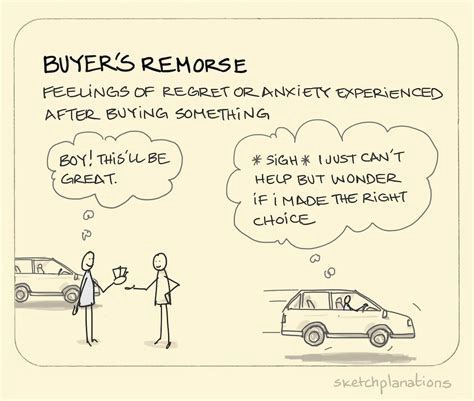
The Psychology of Buyer’s Remorse
What you’re experiencing has a name: post-decision dissonance. It’s the psychological discomfort that arises when your behavior (your vote) doesn’t match your values (what you actually believe about right and wrong).
Buyer’s remorse is thought to stem from cognitive dissonance that arises when a person must make a difficult decision between two similarly appealing alternatives. The more resources—emotional, intellectual, social—you invested in that decision, the harder it becomes to admit it was wrong.
But that difficulty doesn’t make you wrong now. It makes you human.
The Social Pressure Is Real
The hardest part isn’t admitting you made a mistake—it’s facing the social consequences. Maybe your family, friends, or community expect continued loyalty. Maybe you fear losing relationships or social standing.
This pressure is designed to keep you trapped. Authoritarian movements depend on people staying silent about their doubts rather than risk social isolation.
But consider this: How many people around you might be feeling exactly what you’re feeling right now, but are also afraid to say it?
What History Teaches About Moving Forward
Societies that have recovered from supporting dangerous leaders share common approaches to healing:
1. Individual Conscience Comes First
During denazification in Germany, the focus wasn’t on collective guilt but on individual responsibility and choice moving forward. The emphasis was: “What do you choose now that you see clearly?”
2. Truth-Telling Without Shame
Successful reconciliation processes acknowledge that good people can make bad choices without being bad people. The goal is truth, not punishment.
3. Focus on Actions, Not Past Votes
What matters isn’t how you voted—it’s what you do with the information you have now. Democracy is strengthened when people course-correct based on new evidence.
4. Community Rebuilding
The strongest resistance movements included people who had initially supported the authoritarian leader but changed course when they saw the reality of what they had enabled.
Permission to Change Your Mind
Some questions that might help:
- If this were happening in another country, what would you think of these actions?
- Are the people around the leader becoming more reasonable or more extreme over time?
- Are critics being answered with better arguments or with threats and lawsuits?
- Are institutions being strengthened or undermined?
- Are the most vulnerable people in society being protected or targeted?
Practical Steps Forward
- Stop defending actions that violate your actual values
- Start fact-checking claims before sharing them
- Seek out news sources that aren’t controlled by political parties or billionaires
- Trust your own observations over tribal loyalties
- Consider that family/friends expressing concern might not be attacking you personally
- Remember that real friends want you to think for yourself, not follow blindly
- Find communities focused on shared values rather than political teams
- Focus your energy on local issues where you can make a real difference
- Support candidates based on character and competence, not party labels
- Defend democratic institutions even when they produce outcomes you don’t prefer
- Protect vulnerable people in your community regardless of politics
The Courage to Course-Correct
Changing your mind based on new evidence isn’t weakness—it’s one of the most courageous things a person can do. It requires admitting error, facing social pressure, and sometimes losing relationships.
Consider the alternative: staying committed to something you no longer believe in just to avoid the discomfort of admitting you were wrong.
Which requires more courage?
You’re Not Alone
Throughout history, the people who’ve helped preserve democracy haven’t been those who never made mistakes. Every successful resistance movement has included people who initially supported the authoritarian leader but changed course when they saw the reality. Their previous support didn’t disqualify them—it often made them more effective because they understood the mindset they were trying to reach.
The Path Forward
Your previous vote doesn’t define you. Your next actions do.
You don’t have to apologize for wanting a strong leader who would solve problems. You don’t have to apologize for believing campaign promises. You don’t have to apologize for hoping things would work out differently. But you do have the opportunity—and the responsibility—to act on what you see now.
Democracy survives when good people recognize their mistakes and have the courage to correct course. It dies when good people stay silent rather than face the discomfort of admitting they were wrong.
You can continue supporting actions that violate your conscience to avoid admitting error. Or you can join the long tradition of Americans who’ve chosen country over party, conscience over convenience, truth over tribal loyalty.
The door is open. The path back to your values is clear. All you have to do is walk through.
KJS 9.25
 whatever because