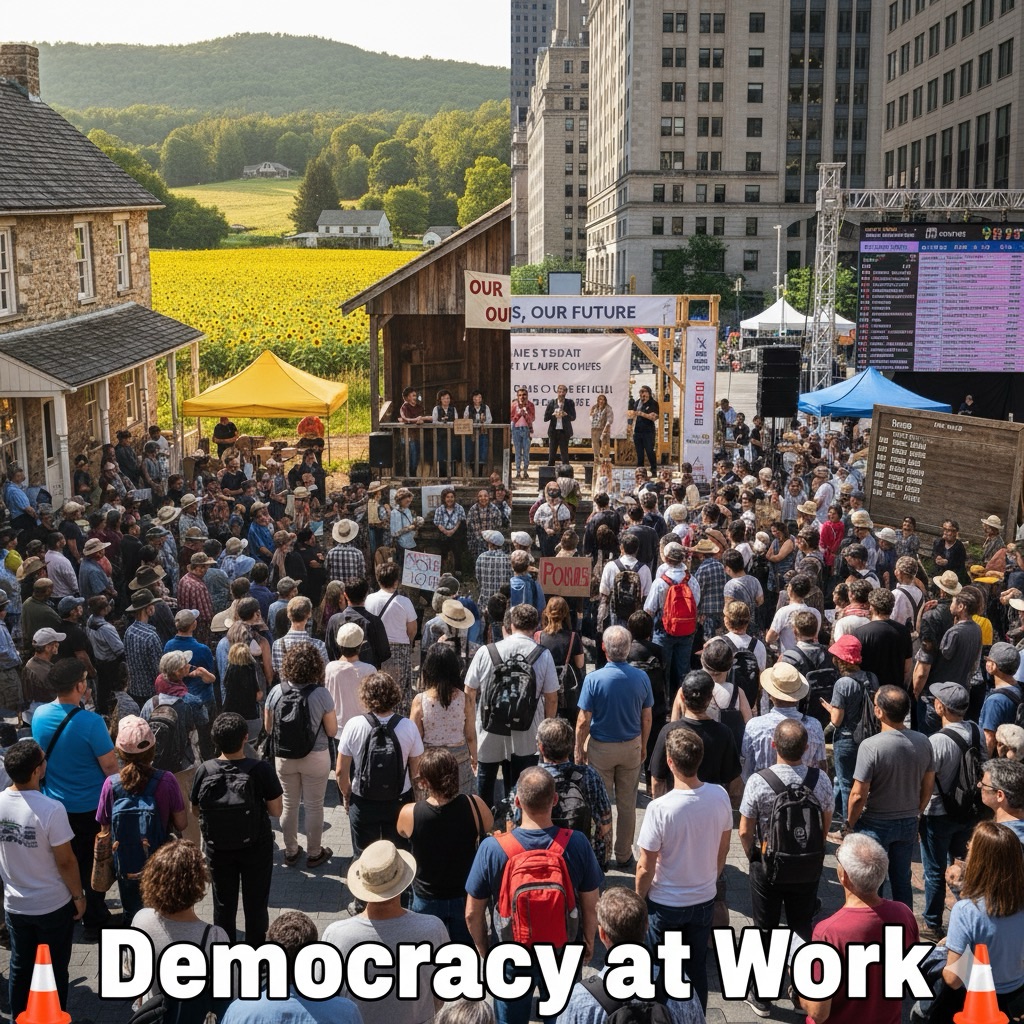
Democracy isn’t something you defend. We’re building it.
Part One: You can’t take my soul without a fucking fight”
Part Two: The Builders
While headlines focus on what’s breaking, young people around the world are building. Not protesting. Not resisting. Building actual democratic infrastructure, mutual aid networks, and civic power from the ground up.
Here’s what’s happening now.
Global Democracy Movements
In Serbia, students sparked one of Europe’s most significant youth movements since 1968. A local protest evolved into a nationwide demand for democracy, attracting teachers, lawyers, and citizens across generations. The movement remained peaceful despite government pressure, characterized by horizontal leadership and refusal to affiliate with political parties.
In Bangladesh, young people launched the National Citizens’ Party in February 2025—the first political party born directly from the 2024 Gen Z revolution. They’re drafting a new constitution and building what they call a “Second Republic.”
In Kenya, Gen Z has taken to the streets demanding accountability and reshaping the future of Kenyan democracy. They’re not asking permission. They’re building power.
Campus Organizing
At Stanford, student Turner Van Slyke rallied others in White Plaza days after the 2025 inauguration. That chalking protest became Education and Democracy United—now a national nonprofit operating at 10+ universities, protecting student free speech, academic freedom, and civic engagement.
The ALL IN Campus Democracy Challenge partners with over 1,000 campuses across all 50 states, reaching 10 million students. They’re institutionalizing voter registration, civic education, and democratic participation as permanent campus features.
Democracy Summer, founded by Congressman Jamie Raskin, trains high school and college students in voter registration and political organizing. Last cycle: 1,500+ students participated across all 50 states.
Mutual Aid Networks
When systems fail, communities build alternatives.
Bed-Stuy Strong in Brooklyn supported 28,000 people from March 2020 to June 2021 through volunteer-driven grocery delivery. They raised $1.2 million in grassroots donations and redistributed every dollar back into the community.
Stop the Sweeps in Seattle provides weekly mutual aid pop-ups with food, water, warming supplies, and harm reduction resources for unhoused neighbors. They tracked 18 sweeps in December 2024 alone, building relationships while organizing resistance.
These aren’t charity organizations. They’re horizontal, peer-to-peer networks where everyone has needs and everyone has something to give. They combine immediate material support with political education and community power-building.
State-Level Democracy Reform
In Massachusetts, young activists are working to put same-day voter registration on the 2026 ballot. Twenty-two states already have this policy. Research shows it increases youth turnout both immediately and in future elections—building the habit of voting.
Secretary of State Bill Galvin launched the ballot initiative after the Legislature stalled. The campaign is happening now.
The Research
Tufts University research from April 2025 found that 81% of young people (18-29) agree on the importance of free and fair elections. 80% say fair laws and equal treatment are essential. 72% say elected leaders are not above the law.
But only 36% believe the current democratic system can address the issues the country faces. Only 16% think democracy is working well for young people.
That gap between belief and reality? That’s where organizing happens. That’s the space these movements occupy.
What This Means
These aren’t symbolic gestures or social media campaigns. They’re infrastructure projects. They’re building the systems—democratic participation, mutual aid, political power—that create lasting change.
The Serbian students created cross-generational coalitions. The Bangladesh activists founded a political party. Campus organizers are institutionalizing civic engagement. Mutual aid networks are meeting immediate needs while building community power. State campaigns are expanding ballot access.
Different tactics. Same goal: Building democratic power from the ground up.
Get Involved
- ALL IN Campus Democracy Challenge – Campus voter engagement programs
- Democracy Summer – Summer organizing fellowships (apply now for 2025)
- Mutual Aid Hub – Find or start a mutual aid network
- Same Day Registration Campaigns – State-level democracy reform
- White House Comment Line: 202-456-1414 – Call daily
These organizations need volunteers, not just donors. They need organizers, not just followers. They need you to show up.
KJS 10.25 DC USA
 whatever because