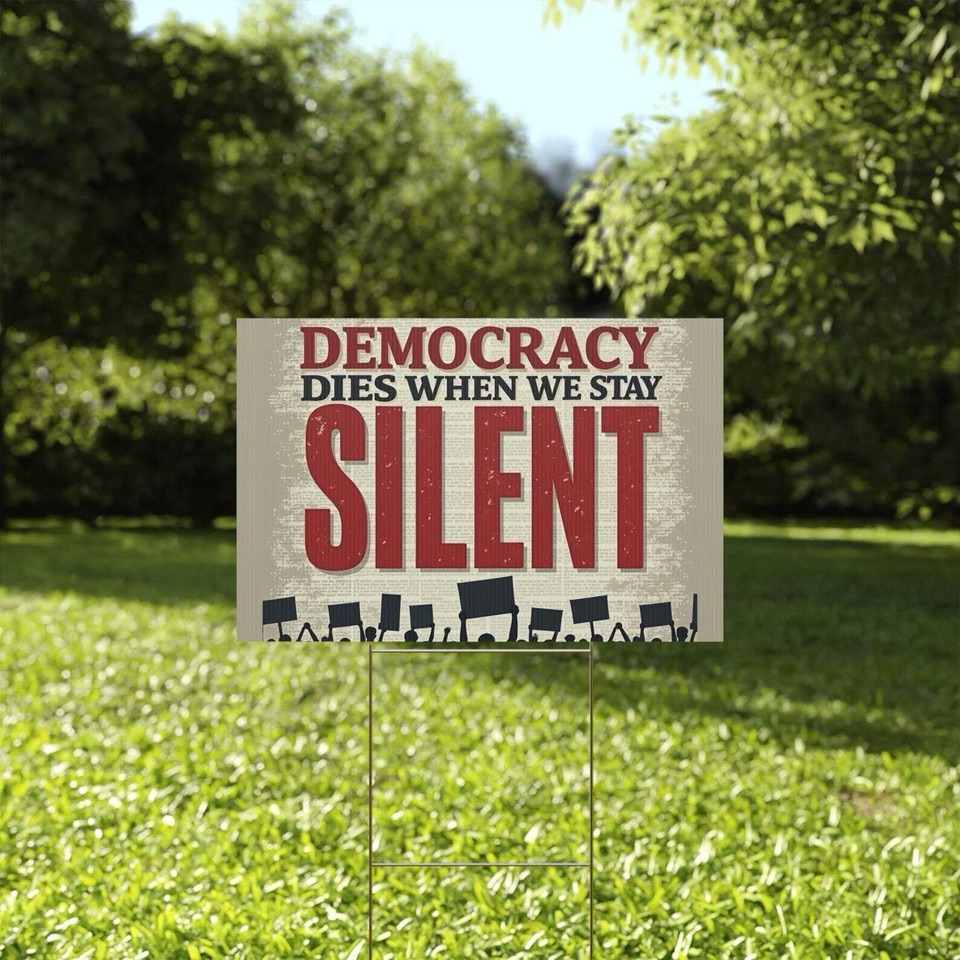
When people publicly support positions they privately reject because they’re afraid of the social cost of speaking their truth.
KJS Washington DC USA 💰
You feel alone. Isolated. Crazy. Like you’re the only one who sees what’s happening.
You look around and wonder: Does anyone else think this is wrong? Or am I losing my mind?
Here’s what you need to understand: That feeling is the weapon.
Democracy Isn’t Silent
There’s something critical missing from American democracy right now, and it’s not just what you think.
It’s not laws. It’s not institutions. It’s not even leaders.
It’s knowing what other people actually believe.
Economist Timur Kuran calls it “preference falsification”—when people publicly support positions they privately reject because they’re afraid of the social cost of speaking their truth.
Psychologists call it “pluralistic ignorance”—when everyone in a group privately disagrees with a norm but thinks they’re the only one, so everyone stays silent, and the norm persists.
Both describe the same crisis: We’ve stopped being able to tell what anyone really thinks. And without that feedback loop, democracy can’t function.
How Authoritarian Systems Work
Here’s how it works in practice:
Citizens seeking to prove their loyalty participate in vilifying nonconformists, even dissidents whose positions they privately admire.
You stay silent not because you agree, but because you think everyone else agrees. And because you stay silent, everyone else thinks they’re alone. So they stay silent too.
When a person’s attitude appears to conflict with the perceived majority, it can leave the individual “embittered” and “suspicious of those around them”. You feel isolated from your own community—not because you actually are, but because nobody’s saying what they really think.
This is exactly what authoritarian systems require. They don’t need you to believe the lies. They just need you to think you’re alone in seeing through them.
Why Young People Feel Like They’re Losing Their Minds
If you’re 15-25 right now, you’re experiencing this at maximum intensity.
Your information comes from sources designed to confuse you. Influencers are bought. People are scared to speak. Your family is divided—not just over policy, but over what’s even real.
You watch universal values—equity, inclusion, disability rights, LGBTQ+ rights, immigrant rights—get weaponized and turned into political cudgels. You’re told that cruelty is strength. That chaos is normal. That this is just how democracy works.
And you look around wondering: Is everyone else okay with this? Am I the crazy one?
No. You’re not.
But you can’t know that for sure. Because the feedback mechanism is broken. Nobody’s saying what they really think. And that silence makes you feel like you’re alone.
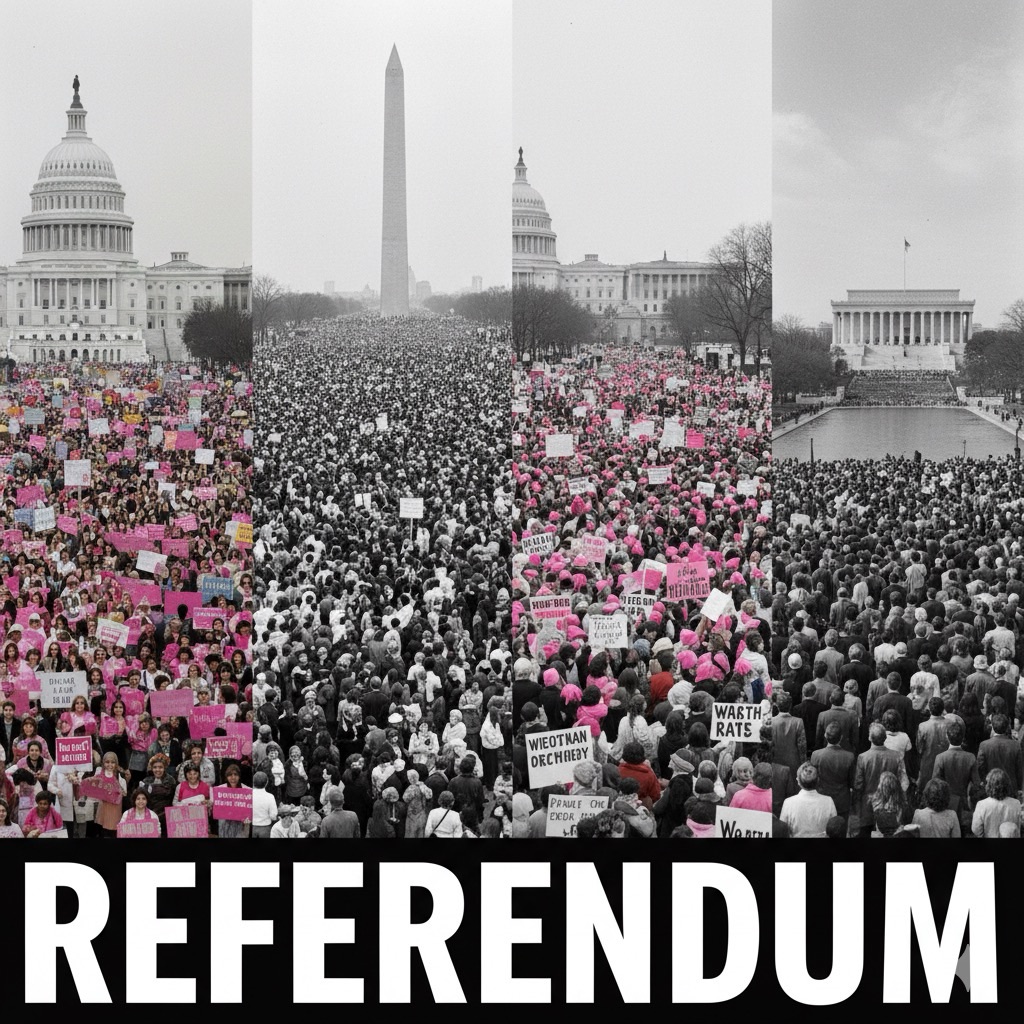
What Democracy Requires
Democracy isn’t just voting. It’s not just elections or laws or institutions.
Democracy is “above all, a process of forming opinion”. It requires honest public discourse. It requires knowing what people actually believe so the system can self-correct.
When preference falsification misrepresents public opinion, it corrupts a society’s collective choices. Policies that would fail in a secret ballot persist because everyone’s too scared to object publicly.
The silence isn’t neutral. It’s data. And when that data is false—when it reflects fear rather than belief—democracy makes the wrong decisions.
Media outlets are closing. Consumer protections are being dismantled. Laws are changing to suppress dissent. The entire infrastructure of public discourse is being systematically picked at.
And all of it makes it harder for you to know: Am I alone? Or does everyone else see this too?
The Truth You Need to Hear
You’re probably not alone.
The person next to you in class who says nothing? They might be thinking exactly what you’re thinking.
Your coworker who stays quiet? Your neighbor who seems fine? Your cousin who changed the subject at Thanksgiving?
They might all be doing the same thing you’re doing: staying silent because they think they’re the only one who objects.
Pluralistic ignorance explains how societies can experience dramatic reversals in short periods. One person speaks up. Then another. Then everyone realizes they weren’t alone after all. The illusion shatters.
But it only shatters when someone breaks the silence.
What You Can Do
Talk to people. Face to face. Ask what they actually think. You might be surprised.
Trust yourself. If something feels wrong, it probably is. Your conscience isn’t broken—the system is trying to make you doubt it.
Understand you’re not crazy. This isolation you feel? It’s engineered. Authoritarian systems try to get you to think you’re alone.
Speak anyway. Even when it’s scary. Even when you think no one agrees. The person listening might be waiting for someone to say it first.
The anxiety you feel isn’t weakness. It’s awareness. You see what’s happening. You recognize that universal values are under attack. You know this isn’t normal.
You’re not alone—you just can’t tell, because everyone else is silent too.
Break the silence. That’s how democracy thrives.
 whatever because