The Future Needs You Now.
Thirty climate conferences. No plastic treaty. No shipping emissions agreement. No binding methane caps.
The global plastics treaty collapsed in Geneva after 234 fossil fuel lobbyists—outnumbering scientists and indigenous peoples combined—gutted the final text. Over 100 countries demanded production limits. Petro-states said no. Done.
This is gangster politics. Key contributors no-show. Long-sought treaties obliterated by vested interests. The decarbonization process corrupted by the same forces it’s supposed to dismantle.
And yet. Renewable energy keeps growing anyway—because it’s inevitable and sensible. The transition is happening despite the obstruction, not because of the conferences. That tells you something important: the future doesn’t need permission from the people blocking it.
Cut Through the Noise
With all the science from the Planetary Boundary Initiative, all the data, all the polarizing voices—here’s what distills to two things we know for certain. Two things we can act on. Two things that determine whether we leave a livable planet to whoever comes next.
Thing One: Protect the Amazon
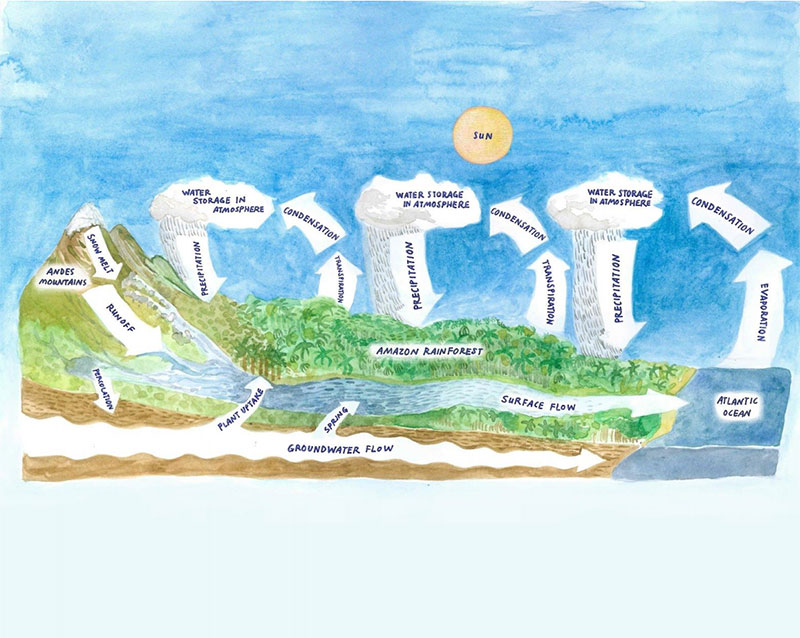
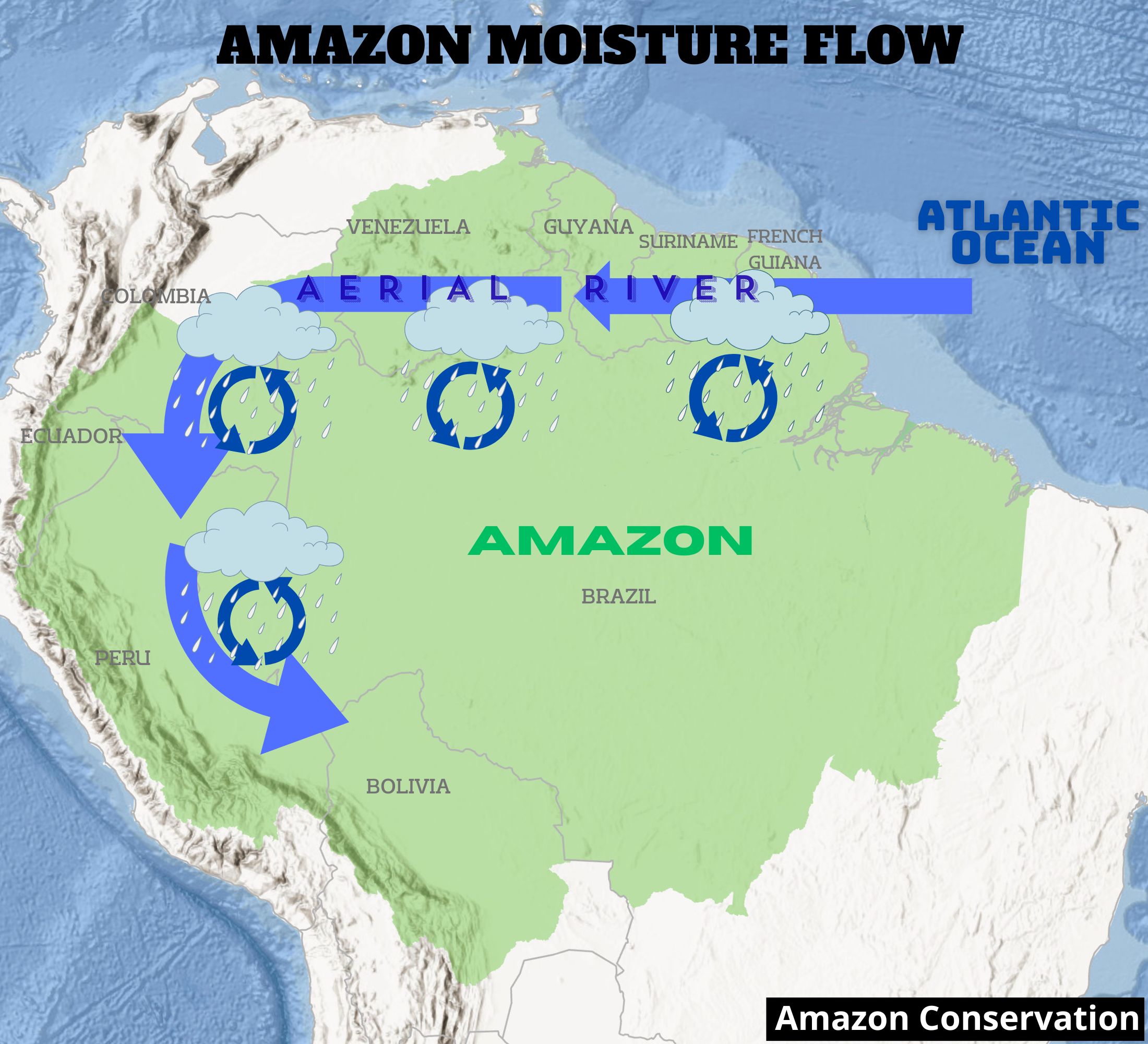
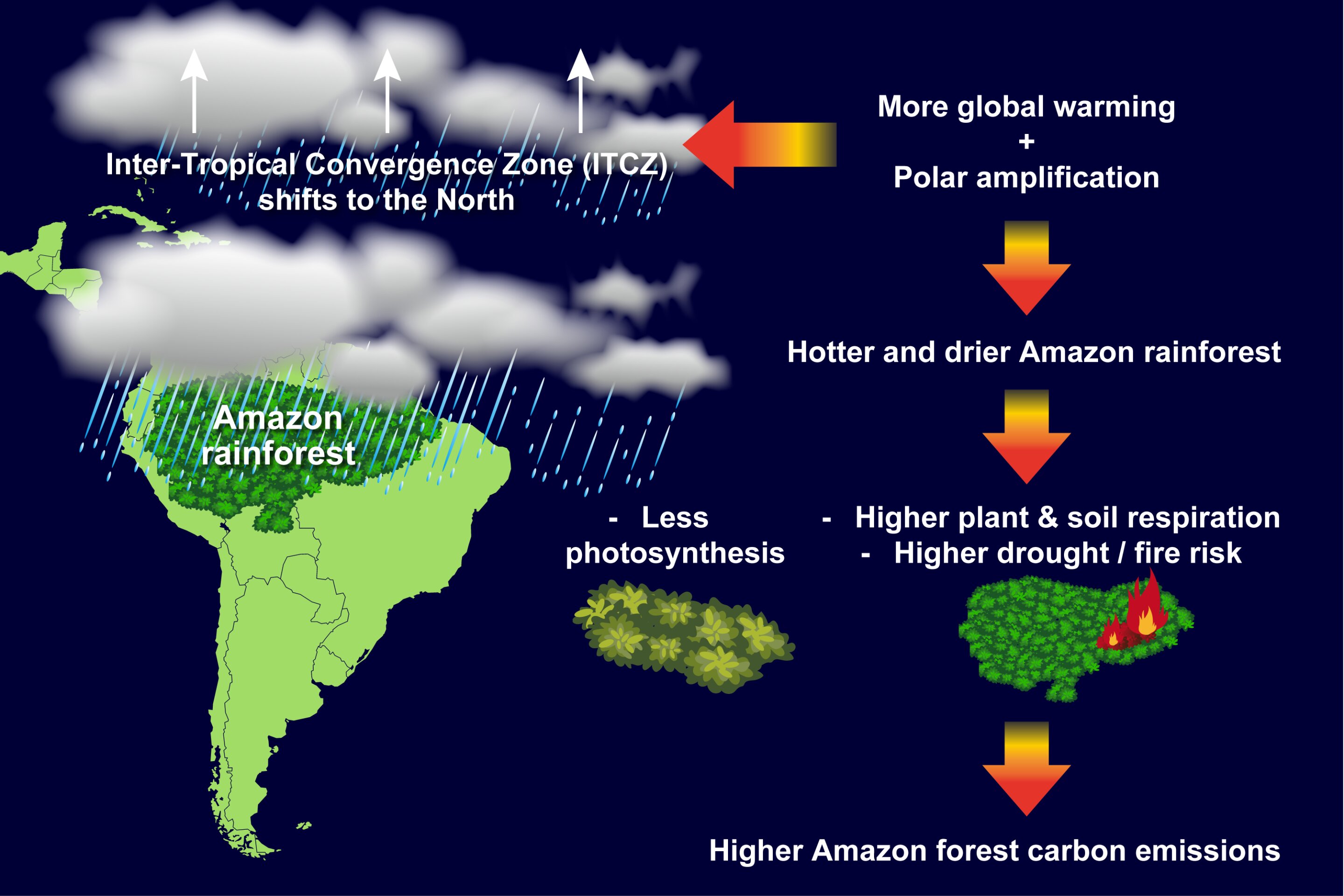
The southeast quadrant of the Amazon must remain above 20-25% forest cover or the entire circulatory system—the rainfall patterns that sustain South America’s agriculture and ecosystems—collapses. This isn’t projection. We’re tracking it in real-time. We’re approaching the threshold.
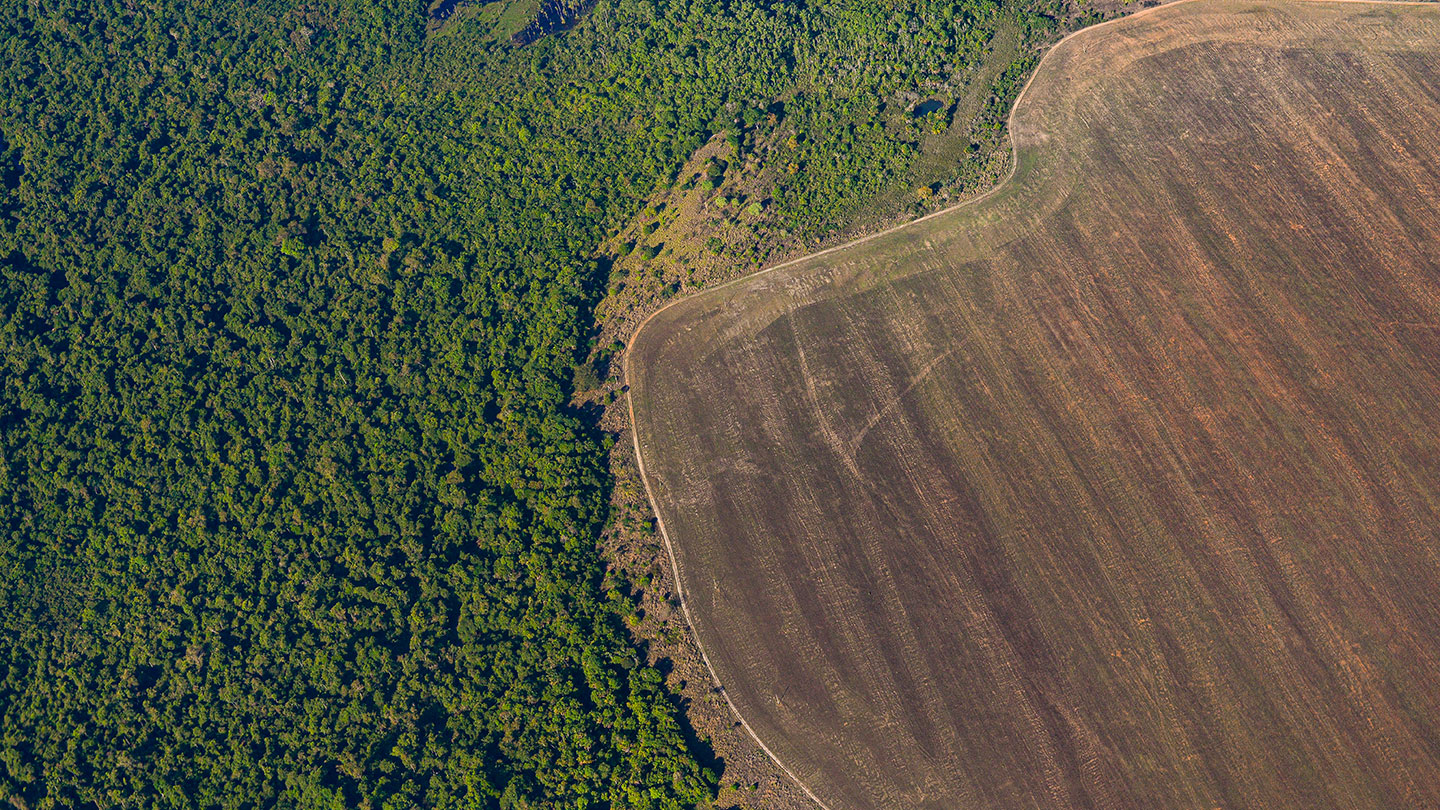
The main culprits in that specific location? Industrial agriculture. Soy farms growing animal feed. Cattle ranching. Deforestation for extraction and economic development. The global appetite for cheap beef and feed crops is liquidating the planet’s lungs.
Indigenous-led planning isn’t a nice option. It’s the only approach with a proven track record of success. Indigenous territories consistently show lower deforestation rates than government-managed “protected” areas. The people who’ve lived in relationship with these ecosystems for millennia know how to sustain them.
Fifteen years. Maximum. That’s the window for systems change before tipping points become irreversible. This is happening in our lifetime. Hello.
Thing Two: Chemical-Free Next Generation
We can’t control global treaties. We can control what touches our bodies and our children’s bodies.
The chemicals infiltrating everyday life are killing us slowly—and we can reverse this on our own, starting now.
In the first 1000 days of life—from conception through age two—infants face relentless chemical bombardment. Endocrine-disrupting chemicals in diapers, bottles, clothing, medical equipment, toys. Phthalates causing 30% reduction in sperm production. NICU babies receiving chemical exposures exceeding safe levels by 3-5 orders of magnitude. Infants consuming over 1.5 million microplastic particles daily from plastic bottles alone.
Here’s the kicker that should wake everyone up: global sperm counts have declined 50% since 1973. The trajectory suggests we may not be able to reproduce within a generation or two. This isn’t environmentalist scare tactics. This is peer-reviewed reproductive science.
By 2050, there will be more plastic in the ocean than fish by weight.
This isn’t abstract future threat. This is now. This is your body. Your children’s bodies. Your future grandchildren who may never exist if we don’t act.
What We Must Do
The powers that be are failing us. Thirty conferences proved that. So we act anyway.
Planetary health science made actionable.
For the Amazon: Support indigenous-led conservation directly. Demand supply chain transparency—know where your food comes from. Reduce beef consumption. Pressure companies sourcing from deforestation regions. Vote for candidates who prioritize climate over corporate donors.
For chemical-free futures: Transition your household now. Glass bottles instead of plastic. Organic cotton clothing for infants. PFAS-free diapers. Read labels obsessively. Demand better products exist by buying the ones that do. Make the market respond to your choices.
For both: Talk about it. Constantly. Normalize the conversation until it’s weird not to care. Build community around these choices. Make it social. Make it cultural. Make it inevitable.
The Pattern Holds
Corruption concentrates until it collapses under its own weight. The obstruction at these conferences isn’t winning—it’s revealing exactly who stands where. Every failed treaty clarifies who the enemy is.
Carbon isn’t going away. But neither are we.
Two things. Forest cover and chemical exposure.
Save ourselves. Starting with what we can control. Building outward from there.
That’s what we must do.
 whatever because