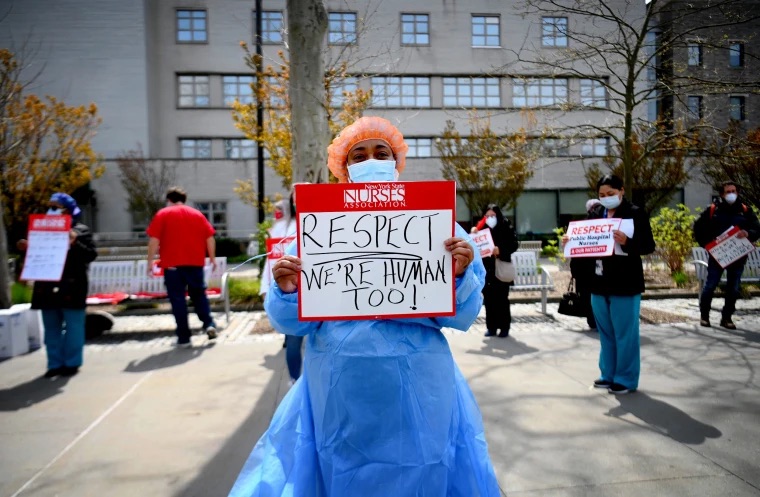
Intentional Policy to Promote wide scale Suffering
Ten years of school. $210,000 in debt. Fifteen years preventing doctors from making fatal errors at 3 a.m.
The Department of Education just decided that’s not a professional.
Medicine? Professional. Law? Professional. Dentistry, veterinary medicine, even theology? All professional.
But nursing? The job that kept this country alive during a pandemic? Not professional enough.
Let me translate what this actually means. When the government reclassifies your profession, they’re not making a semantic choice. They’re making an economic one. Nursing students are now excluded from the $200,000 loan limit reserved for professional programs, while veterinarians, chiropractors, and theology students still qualify.
They’re making it financially impossible to become the healthcare workers we desperately need. In the middle of a nursing shortage.
Think about that.
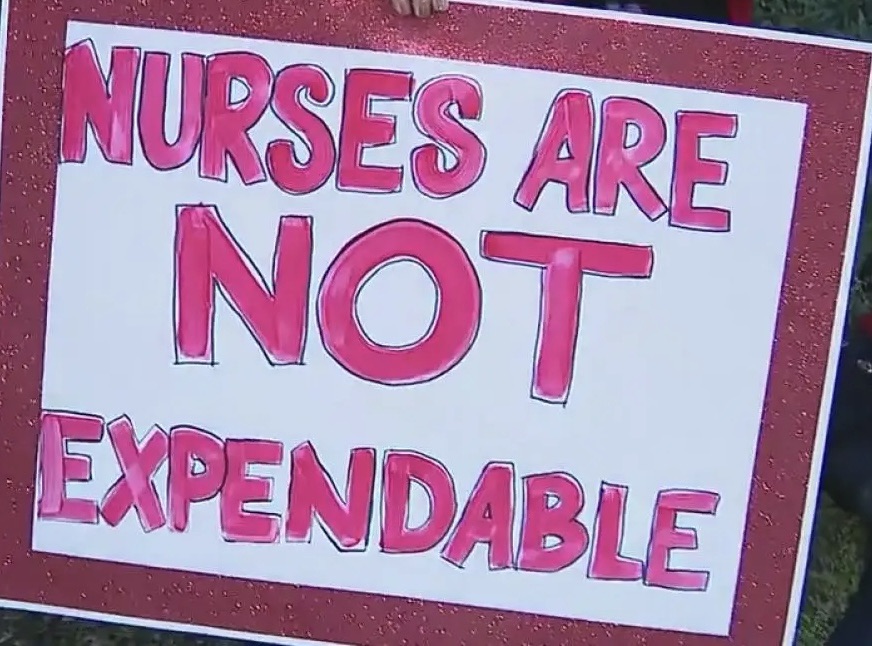
The Numbers Don’t Lie
Over 260,000 students are currently enrolled in Bachelor of Science in Nursing programs. Another 42,000 are in Associate Degree programs. Most of them are women. Many are working class. Some are single parents building a better life.
The administration just told all of them their profession isn’t valuable enough to support.
Nurse practitioners, physician assistants, physical therapists, audiologists—all excluded from professional designation. But chiropractors made the cut. Theology students made the cut.
Not the people who diagnose your diabetes. Not the people who manage your chronic pain. Not the people who are often the only healthcare providers in rural communities where doctors won’t go.
Those people? Not professional.
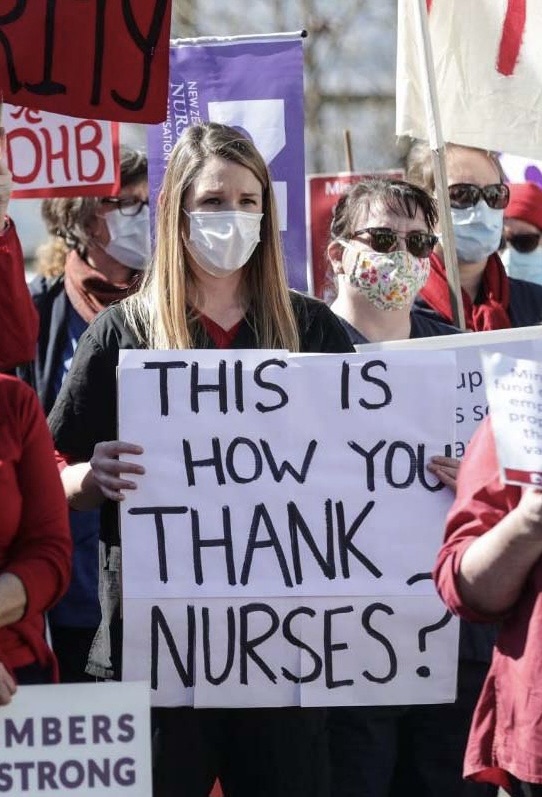
What This Actually Does
Without adequate federal loans, fewer people can afford graduate nursing education. That means fewer nurse practitioners who can diagnose and prescribe medications, fewer nursing professors to train the next generation, fewer organizational leaders to run hospitals.
This leads to increased shortages of primary care, especially in areas with significant physician shortages. Longer wait times. Less time with your provider. Higher costs. More burned-out doctors carrying impossible workloads.
The healthcare system you already can’t access gets worse.
Here’s the cruelest part: nursing education is the single best pathway for retention, especially in underserved communities. You want nurses in rural America? In poor neighborhoods? In communities that look like them? Fund their education.
This policy does the opposite. Deliberately.
When Your Government Works Against You
I’m not interested in defending either party right now. I’m interested in whether your government is trying to make your life better or worse.
Does this policy help you access healthcare?
Does it strengthen the profession that makes up the largest segment of our healthcare workforce?
Does it address the nursing shortage or make it catastrophically worse?
The answers are obvious. And they reveal something you need to understand: your party is not protecting you.
Both parties are counting on you staying loyal even when they gut the systems you depend on. They’re betting you’ll blame the other side while they both serve corporate interests over yours. They’re assuming you won’t leave.
Prove them wrong.
The Only Leverage You Actually Have
Party affiliation is not your identity. It’s a tool. When a tool stops working, you put it down.
When your mechanic keeps breaking your car, you find a new mechanic. When your government makes it harder to access healthcare, you stop giving them permission to govern.
This isn’t about protest voting. This is about recognizing that loyalty to party has become permission for betrayal. One party does it while waving a Bible. The other does it while talking about values. But the result is the same: nurses can’t afford to become nurses, and you can’t afford to see one.
Here’s what they understand that you might not: they need you more than you need them.
Parties track registration numbers like corporations track stock prices. When those numbers drop, strategists panic. Donors get nervous. The people making these decisions start to sweat.
Your vote is leverage. But only if you’re willing to use it.
A party-affiliated voter is a voter they already own. They don’t have to care what you think. They’ve got you locked in.
An independent voter is a voter they have to earn.
Leave. Make them fight for you.
What Happens Next
These measures take effect July 1, 2026. That means there’s time. Not much. But enough.
We need a healthcare system that prioritizes patients over profits. That means supporting the people who actually provide care—nurses, not insurance executives. Community health workers, not pharmaceutical lobbyists. The professionals who show up at 3 a.m. to save your life.
That system will never come from politicians who are more afraid of losing their party’s support than losing yours.
It comes when enough of us refuse to be taken for granted. When we vote for policies instead of parties. When we make it politically suicidal to attack the nurses who keep us alive.
The wealthiest country in history just told nurses they’re not professionals. They did it because they think you’ll accept it. Because they think party loyalty is stronger than self-interest.
Leave your party. Register as independent. Vote for candidates who protect healthcare workers regardless of the letter next to their name.
Or watch while they make it impossible to see a nurse when you’re sick. Impossible to become a nurse if you’re poor. Impossible to get care in your community if you’re rural.
They’re counting on your loyalty.
Stop giving it to them for free.
WhateverBecause DC 2025
 whatever because