Washington DC is now where we Eradicate our own Values instead of Diseases, Inequity, Strife and Poverty.
Twenty-three years into humanitarian work, I’m watching the United States abandon not just its moral commitments but the strategic architecture that defined American global leadership since World War II. The numbers are clinical. The reality is catastrophic. The implications reach far beyond public health.
Between 2020 and 2023, U.S. assistance to Africa averaged $12.8 billion annually, responding to COVID-19, conflict-driven famine, and displacement crises across Sudan, Ethiopia, and the Democratic Republic of Congo. By late 2025, that figure had collapsed to an estimated $4.5-6 billion—a reduction exceeding 50% in real terms, concentrated almost exclusively in the poorest crisis-affected nations.
The administration frames this as reform. A $2 billion UN-managed “Crisis Fund” is positioned as a landmark contribution, when in fact it represents a floor, not a ceiling—replacing what were previously $10-15 billion in annual humanitarian commitments. Bilateral Health Agreements with select African nations total $8 billion over multiple years, but these are conditional co-investment compacts requiring recipient countries to match funds and absorb health worker salaries onto their own budgets. For nations already facing debt distress, this isn’t partnership—it’s abandonment dressed as accountability.
The human cost is quantifiable. Research published in The Lancet estimates that USAID programs saved 91 million lives over two decades. Under current trajectory, continued funding cuts through 2030 will result in 14 million preventable deaths. These aren’t projections—they’re foregone conclusions based on terminated HIV prevention programs, closed cholera clinics, shuttered maternal health facilities, and eliminated emergency food systems in famine zones.
The administration defended these cuts by calling eliminated programs “woke,” citing $3.2 billion in development assistance spent on “climate change, diversity, equity, and inclusion, LGBTQ activities” as having “no value to American taxpayers.” This rhetoric reveals the underlying calculus: certain lives—specifically poor, Black, and brown lives in the Global South—do not register as worth saving.
This represents a fundamental break not just with recent policy but with seventy years of bipartisan consensus. Republican President George W. Bush created PEPFAR precisely because he believed American values demanded action against preventable death. His administration invested $90 billion in HIV/AIDS response, saving over 25 million lives and establishing the United States as the indispensable partner in global health security. Democratic and Republican administrations alike understood that epidemic disease, famine, and state collapse don’t respect borders—that investment in global health capacity serves both moral and strategic American interests.
The current approach explicitly rejects both foundations. Aid is preserved for white-majority nations and strategic military allies while programs in the poorest African nations are eliminated. This isn’t about fiscal responsibility—the U.S. spent $877 billion on defense in 2024 while cutting foreign assistance representing less than 1% of the federal budget. It’s about hierarchy: whose lives matter, whose deaths are acceptable collateral.
From an international development perspective spanning the Millennium Development Goals through the Sustainable Development Goals, this represents civilizational regression. The MDGs catalyzed unprecedented cooperation: bilateral donors, multilateral institutions, foundations, and recipient governments aligned around measurable targets. Child mortality fell by more than half. Extreme poverty declined dramatically. HIV infections dropped 40%. These weren’t abstractions—they were 91 million human beings who lived because the international community, led by American investment and innovation, chose to act.
The SDGs built on that foundation, recognizing that health, education, economic development, and climate resilience are interdependent. The current administration’s framework explicitly rejects this integration, defunding anything connected to climate adaptation, governance reform, or social equity while narrowing focus to infectious disease control—and even that only in countries agreeing to American terms.
The strategic implications extend beyond health outcomes. China has filled vacuums created by American withdrawal, investing heavily in African infrastructure and health systems without demanding political reforms or fiscal conditions. Russia expands influence through security partnerships in the Sahel. The United States, once the partner of choice for development assistance, is becoming irrelevant in regions where future population growth, resource competition, and climate displacement will define 21st-century security challenges.
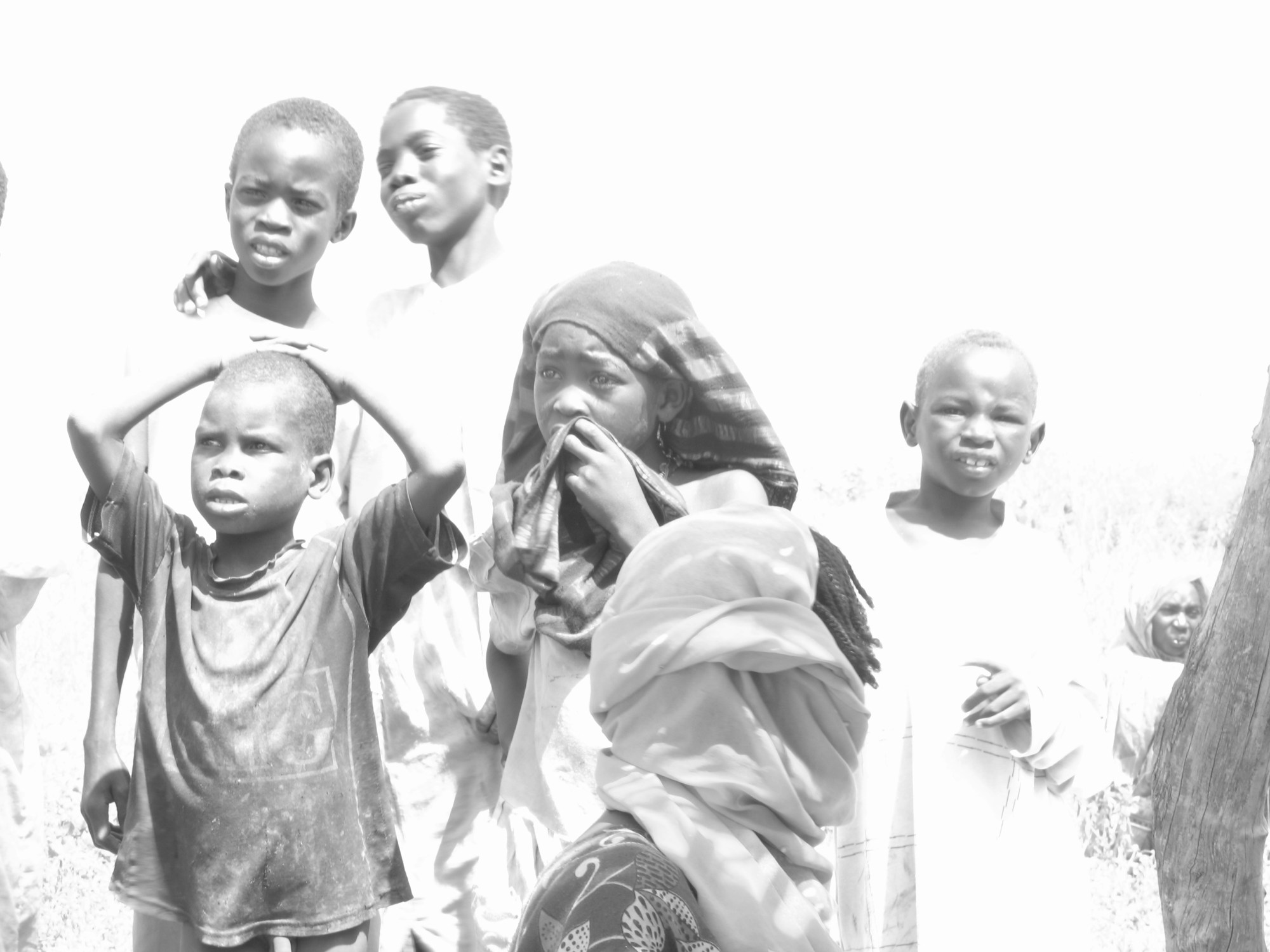
But the moral dimension is what keeps me awake. I’ve worked in Chad, Sudan, and Central Africa. I’ve watched American programs prevent mother-to-child HIV transmission for hundreds of thousands of newborns. I’ve seen emergency feeding programs keep children alive through famine. I’ve witnessed cholera response teams stop outbreaks that would have killed thousands.
Those programs are gone now. The clinics are closed. The medicines aren’t arriving.
This violates everything America claims to represent.
We profess Christian values of loving our neighbor, yet we systematically defund programs keeping the world’s poorest children alive. We celebrate human rights, yet we withdraw support precisely from populations facing the gravest threats. We tout American exceptionalism, yet we’re abandoning the leadership role that defined our exceptionalism for three generations.
Either we believe all human life has inherent worth, or we believe in hierarchy where American lives matter more than African lives, where white suffering demands response while Black suffering earns indifference. There’s no middle.
The current policy makes that choice explicit. It is, in the most literal sense, a decision about who deserves to live and who can be allowed to die. History will judge us not by our rhetoric about values but by our willingness to let 14 million people die to save money we then spend elsewhere.
We can change course. We can restore funding. We can rebuild partnerships. But first, we must name what’s happening: the deliberate abandonment of America’s commitment to universal human dignity. Not as political rhetoric, but as practiced policy.
Do something. Don’t allow it to happen without calling it what it is.
If this is who we’re choosing to become, we should be ashamed.
KJS 1.26

 whatever because