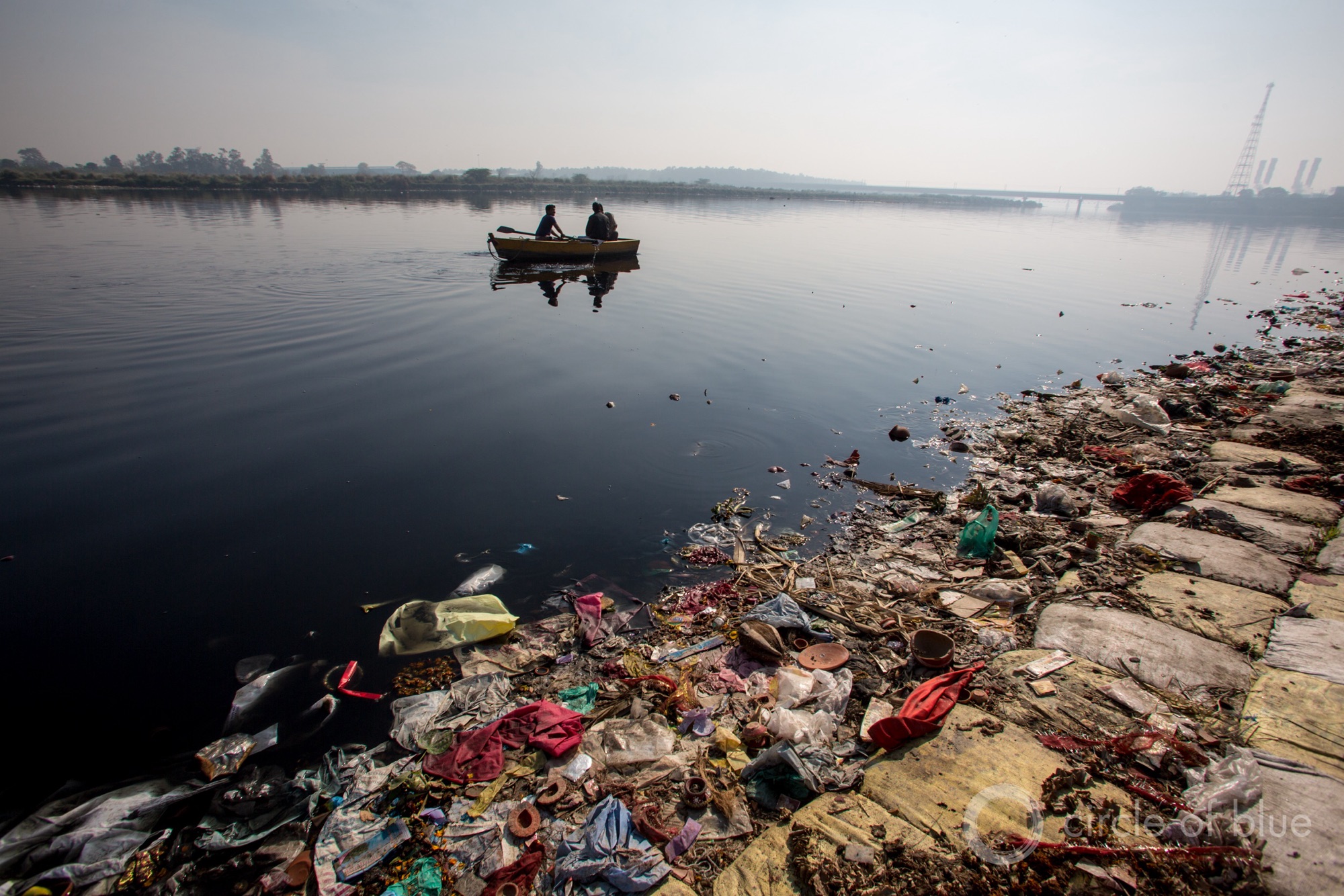
KJS DC 1.26
No one wants to talk about water.
We think it will never be a problem. Or that it will somehow improve on its own.
We can just do whatever we want apparently —states letting companies drain groundwater to for example, irrigate alfalfa fields which feed cows – in the Middle East – which produce methane which accelerates the climate crisis which makes all the water problems worse…
Dizzying governance. Scary how important a vote is or a local planning meeting or foreign lobbyists.
PS/ this issue is irreversible.
BTW/ human brains are trained to avoid complexity & fear.
How does this not top the agenda? A, it’s not happening to NY or London yet. But really because the insurance disruption, economic transformation, and long-term management required don’t fit into any politician’s election cycle. They care about two feet in front of them.
But the kids? They’re terrified. The idea of not having water triggers base instinct—the primal need to know you have what’s essential coming. Our base instincts are screaming at us.
Why don’t we listen to the water?
The United Nations Just Declared “Global Water Bankruptcy”
The world has entered “an era of global water bankruptcy” with irreversible consequences, according to a new UN University report published this week. The language is deliberate. This isn’t a “water crisis” anymore—crises are temporary shocks you can mitigate and move past.
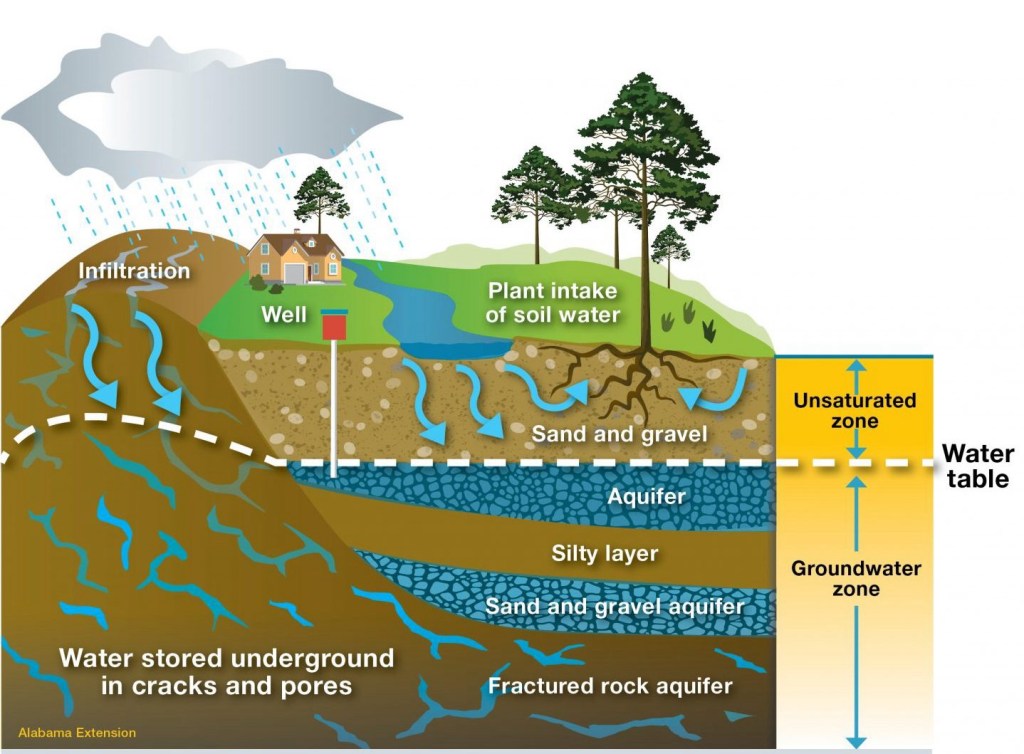
Bankruptcy means you’ve spent more than you earned. Nature provides income through rain and snow. We’re extracting from rivers, lakes, wetlands, and underground aquifers at rates far exceeding replenishment. We’re in permanent debt. Climate-fueled heat and drought are compounding the problem by reducing available supply.
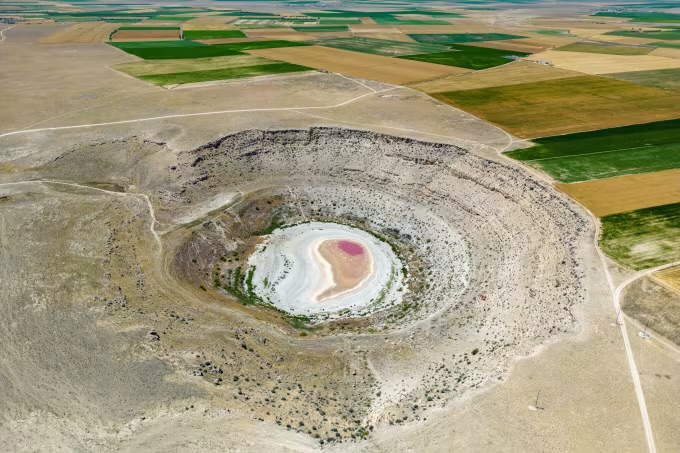
The result: shrinking rivers and lakes, dried wetlands, declining aquifers, crumbling land, sinkholes, advancing desertification, vanishing snow, melting glaciers.
The statistics are stark:
- More than 50% of the planet’s large lakes have lost water since 1990
- 70% of major aquifers are in long-term decline
- An area of wetlands almost the size of the EU has been erased in 50 years
- Glaciers have shrunk 30% since 1970
- Nearly 4 billion people face water scarcity at least one month every year
Bankruptcy Is Permanent—And We’re Still Expanding the Credit Line
Yet instead of recognizing the problem and adjusting consumption, water is taken for granted.
Cities like Los Angeles, Las Vegas, and Tehran, where expansion and development continue despite limited water supplies.
- Kabul may become the first modern city to run out of water
- Mexico City is sinking 20 inches per year as the aquifer beneath is over-pumped
- The US Southwest is locked in perpetual battle over the shrinking Colorado River
The Colorado River illustrates the bankruptcy perfectly. Water-sharing agreements are based on environmental conditions that no longer exist. Drought has shrunk the river permanently—this isn’t a temporary crisis, it’s a new permanent condition with less water than before.
Why This Doesn’t Top the Agenda
Water bankruptcy presents the exact kind of long-term, systemic challenge that global economic forums are designed to address. Yet it rarely tops the agenda. Why?
1: Geographic Displacement
The worst impacts aren’t hitting Zurich or Manhattan yet. The Middle East and North Africa face extreme water stress. Parts of South Asia experience chronic declines from groundwater-dependent farming and exploding urban populations. The US Southwest is a hotspot, but it’s not where global policymakers and bankers.
When problems lie elsewhere, they abstract. When they abstract, they’re not that urgent.
2: Timeline Mismatch
Addressing water bankruptcy requires transforming agriculture (the biggest water user globally), implementing AI-driven monitoring systems, reducing pollution, protecting wetlands and groundwater, and fundamentally redesigning how we allocate this finite resource.
These are 20-50 year projects. Politicians operate on 2-4 year cycles. Corporate executives are measured on quarterly earnings. These leaders care about what affects markets now, not what creates civilizational collapse in 2050.
3: Economic Disruption
Pricing water correctly—acknowledging its scarcity and true cost—would devastate current business models. Industrial agriculture. Beverage companies. Real estate development in water-stressed regions. Data centers requiring massive cooling. Semiconductor manufacturing.
The economic disruption required to address water bankruptcy is so profound that acknowledging it threatens too many powerful interests. So we don’t.
Insurance and Risk Pressure
Our brains naturally want to avoid bad news. But, this is unquantifiable systemic risk.
When aquifers collapse, cities don’t gradually adjust—they face sudden, catastrophic failure. When agricultural regions lose irrigation, food supply chains don’t slowly adapt—they break. When water scarcity triggers mass migration, borders don’t manage flows—they collapse under pressure.
Insurance companies can’t price this. Reinsurance markets can’t absorb it. Credit rating agencies can’t model it because the cascading failures are too interconnected.
Water bankruptcy creates sovereign debt risk, supply chain fragility, population displacement, agricultural collapse, and energy grid instability—all simultaneously, all reinforcing each other.
This is the definition of systemic risk. Yet we’re treating it like a regional problem.
What the Kids See That We Won’t Admit
Young people understand this viscerally. They’re not asking if there will be water—they’re asking where they can live that will still have it.
They’re making life decisions—where to buy homes, where to raise families, which careers to pursue—based on water availability projections that their parents’ generation refuses to discuss.
The base instinct to secure water is primal. When that instinct screams danger and the institutions meant to protect you—governments, corporations, global forums—respond with silence or platitudes, you lose faith in those institutions entirely.
That’s the inter-generational betrayal happening right now.
Acknowledging Reality
With bankruptcy, you can’t just fix and mitigate. You must adapt to a new, more restrictive reality.
This is critical. It means:
- Transforming agriculture through crop shifting and efficient irrigation
- AI and remote sensing for water monitoring
- Aggressive pollution reduction
- Protecting wetlands and groundwater as non-negotiable
- Stopping development in water-stressed regions regardless of economic pressure
- International water-sharing agreements based on current conditions, not historical fantasies
Every country needs it. Every economy depends on it. Every person requires it.
Again, this all requires acknowledging the problem. Now.
Politicians won’t prioritize water until it’s too late because solutions require long-term thinking, economic disruption, and political courage that no forum, government, or corporation wants to commit to.
So we’ll keep pretending the credit line is infinite. Until the wells run dry. Until the cities sink. Until the migrations begin. Until the base instinct screaming at us becomes reality.
Our kids feel this. Why don’t we?
 whatever because