
A Governance Alarm for Business Professionals
KJS DC 2.26 #ESG UNDERGROUND
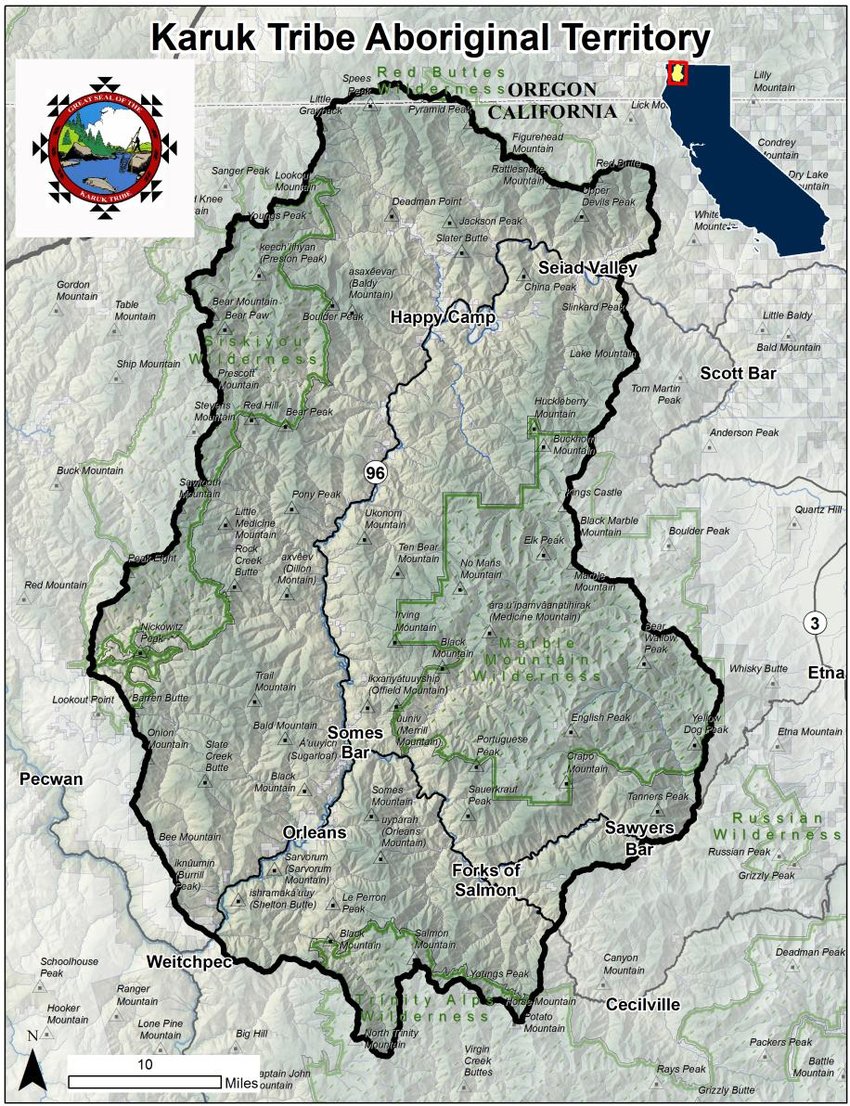
On February 6, 2026, the Trump administration unilaterally torpedoed a $1 billion Klamath River restoration deal—a landmark multi-party agreement years in the making involving the Karuk and Yurok Nations, two states (Oregon and Washington), and countless private stakeholders.
Why? “Radical environmentalism.”
If you work in business responsibility (formerly known as ESG), this should set off every alarm in your risk DNA.
This isn’t about salmon. (I mean it is) It’s about whether federal commitments in the United States still mean anything.
Contractual Risk
Strip away the political theater. What we’re witnessing is a live case study in governance failure. A sitting administration declared that a legally negotiated, multi-party, billion-dollar federal agreement can be dismissed as “political” and walked away from with zero legal consequence.
If that’s possible, what contract is safe?
This deal involved sovereign Tribal Nations with treaty rights, state governments with legal standing, and private sector partners who invested based on federal promises. The administration didn’t renegotiate. It didn’t offer alternative terms. It simply declared the agreement void and moved on.
Material Risks for Investors
1. The Whim of the State
If a $1 billion commitment negotiated across multiple administrations, involving sovereign nations and state governments, can be unilaterally dismantled by reclassifying it as “political,” then no long-term infrastructure agreement, climate commitment, or public-private partnership in the U.S. carries enforceable weight beyond the current election cycle.
2. The Reputation Tax
By walking away from Tribal sovereignty and clean energy infrastructure, the U.S. government is signaling to global markets that American federal commitments now have expiration dates tied to political winds. We are voluntarily downgrading our own reliability as a contract counterparty.
3. Legal Gridlock
Attorneys for Oregon, Washington, and the Nez Perce, Yakama, Warm Springs, and Umatilla tribes are already back in court. We’re trading long-term regional stability for a decade of expensive, grid-locking litigation that will cost taxpayers far more than the original agreement and deliver zero economic benefit.
ESG Implication
Governance is the “G” in ESG. And governance isn’t about having the right policies on paper—it’s about whether institutions honor binding commitments when it’s inconvenient.
This case demonstrates that in 2026, “National Security” can be invoked as a blanket excuse to break federal obligations without legal accountability. The Rule of Law is being replaced by the Whim of the Executive.
If you’re conducting due diligence on long-term U.S. infrastructure projects, climate partnerships, or any agreement requiring federal coordination across election cycles, you now have a live example of how binding those commitments actually are: not very.
The Bottom Line
The collapse of the Klamath deal isn’t just a blow to Indigenous sovereignty and environmental restoration. It’s a material governance risk that should be priced into every long-term contract involving U.S. federal partners.
If the government can’t honor a pre-negotiated, legally binding $1 billion obligation to sovereign nations with legal treaty rights —why would any rational actor assume it will honor its word to your board, your shareholders, or your pension fund?
Finally, the “Safe Haven” narrative of the American market depends on Rule of Law. When contracts ride prevailing winds, that entire thing breaks.

 whatever because