KJS DC 3.26
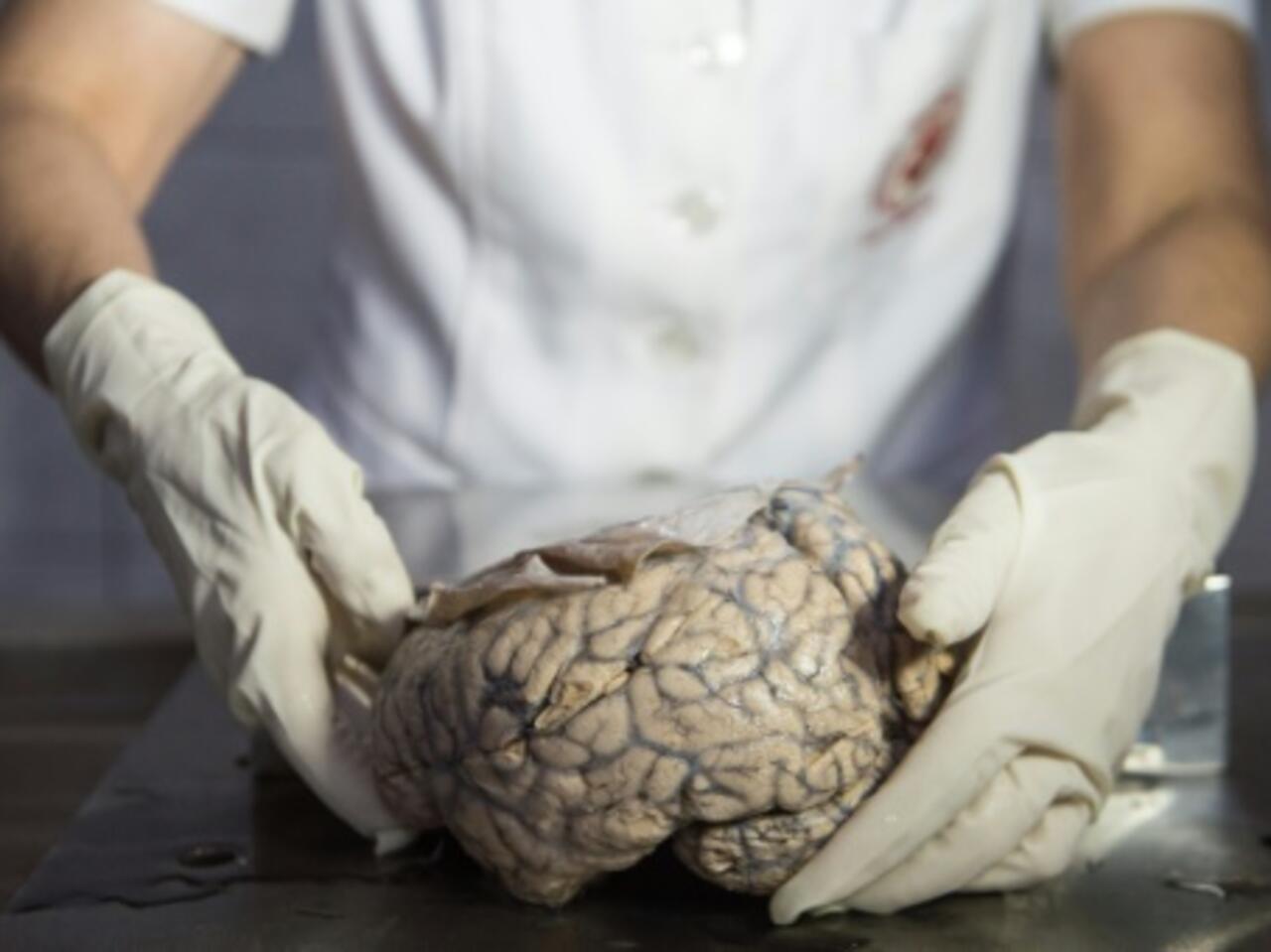
Here’s what your brain is doing right now.
You just learned that your underwear might be cutting your fertility by 40%. That your morning coffee is delivering microplastics with every sip. That the deodorant you’ve used since seventh grade was engineered to make you believe your body was broken.
And your brain is already preparing its exit strategy
First comes the scale problem. This is everywhere. I can’t fix everywhere. That’s your prefrontal cortex doing threat-triage — when a problem feels systemic, the brain classifies it as unresolvable and starts protecting you from the distress of caring. It’s not apathy. It’s a defense mechanism. And industry spent fifty years counting on it.
Next comes the identity move. I’m not the type of person who obsesses over this stuff. Watch for that one. It arrives fast, dressed as self-awareness. What it actually is: your brain protecting a purchasing identity it built over years of repetition. You bought the same deodorant, the same pan, the same to-go cup so many times that the choice stopped feeling like a choice. It became you. Questioning the product feels like questioning yourself.
That’s the con at its most elegant. They didn’t just sell you a product. They sold you a self-image that requires the product to stay intact.
Here’s where it breaks.
You don’t have to fix everywhere. You have to make one swap. One thing, this week. Not because it saves the planet — because it saves your signal.
Your body was designed with a chemistry that took millions of years to calibrate. Your natural scent routes directly into the brain’s emotional memory center — two synapses from your nose to the part of your brain that stores who you love and where you’ve been. Synthetic fragrance doesn’t do that. It interrupts it. When you strip your body’s chemistry and replace it with a petroleum derivative, you’re not upgrading. You’re overwriting.
The swap is not sacrifice. It’s reclamation.
Swap the synthetic deodorant for a mineral salt or clean alternative. Ditch the PTFE pan. Bring a reusable cup to your next coffee run. Choose cotton or bamboo next time you need new underwear.
None of this is too hard. Most of it costs a little more than what you’re already spending. That is a problem. Today.
All of it sends a signal — to your body, and to the market — that you are not available to be a passive recipient of a fifty-year lie.
Your brain will try to talk you out of this three more times before you finish reading. Let it try.
Here’s what they actually took from you:
The smell of your mother’s neck when you were small. Your father’s jacket. The pillow of someone you loved, still holding their scent after they left the room — or left entirely. The salt-and-skin smell of a child who’s been running outside all afternoon. A lover after sleep. The specific, unrepeatable smell of someone safe.
These aren’t accidents of chemistry. They are identity signals encoded in the oldest part of your brain. Smell is the only sense that routes directly to the amygdala and hippocampus — bypassing all the brain’s filtering systems — which is why a single scent can collapse twenty years of distance in an instant.
Natural human scent doesn’t just trigger memory. It is how we recognize the people who matter. It is how infants bond to their mothers. It is how attraction works at its most fundamental level, beneath language and performance and product.
Smell and emotion are stored as one memory — and childhood, before the synthetic fragrance industry got to us, is when we built the scent library we carry for the rest of our lives.
What the industry did was not just replace a product. They inserted a chemical layer between you and the people you love. They convinced you that your body’s actual signal was a problem, then sold you a substitute that cannot do what the original did — cannot carry memory, cannot convey safety, cannot tell someone who you are without words.
The swap is not sacrifice. It’s reclamation. One product at a time, you get the signal back.
Your brain will try to talk you out of this three more times before you finish reading. Let it try.
Now your brain knows that you know what it’s protecting….
 whatever because