KJS DC 4.26
The America first energy doctrine says: control the oil, control the world. This has governed American foreign policy for seventy years. It is why we have carrier groups in the Persian Gulf, why we built alliances with Saudi princes, why we went to war in Iraq and are now at war with Iran. It is the doctrine of the chokepoint — the belief that whoever holds the Strait of Hormuz holds the global economy by the throat.
The second doctrine is quieter. It doesn’t announce itself at press conferences or send aircraft carriers to make its point. It just builds. Panels on rooftops. Batteries in warehouses. Grids that don’t depend on a narrow passage of water between Iran and Oman. It is the doctrine of the irrelevant chokepoint — and it is winning.
The Iran war was supposed to be about nuclear weapons. What it has actually become is the largest live demonstration in history of fossil fuel vulnerability. The closure of the Strait of Hormuz has triggered what the IEA calls “the largest supply disruption in the history of the global oil market.” And the world’s response to that disruption is telling us exactly where the next decade of energy investment is going.
South Korea’s president lost sleep over it. “This latest war in the Middle East has made it clear that the energy transition is no longer a national and historical task that can be postponed,” he told a crowd this week. Continuing to rely on imported fossil fuels, he said, “makes the future very dangerous.”
He is not alone. UN Secretary-General António Guterres said the crisis offers countries an “exit ramp” away from fossil fuel dependence. His words were precise: “The resources of the clean-energy era cannot be blockaded or weaponised. There are no price spikes for sunlight and no embargoes on the wind.”
The European Commission’s executive vice-president put it plainly: “The answer is not new dependencies, but faster electrification, renewables and efficiency. The real risk is not moving too fast on clean energy, but too slowly. The clean transition is Europe’s shield against volatility.”
These are not environmental statements. They are security statements. And they are being backed by concrete action.
Pakistan — which was generating just 3% of its energy from renewables in 2020 — now generates 30%. Since 2023, it has imported 41 gigawatts of solar panels from China. A recent report found it avoided more than $12 billion in oil and gas imports between 2021 and February 2026. While Pakistan’s cricket stadiums sit dark because of the energy crisis the Iran war created, its solar buildout is providing a structural cushion its neighbors wish they had.
In Vietnam, energy conglomerate Vingroup this week proposed scrapping a planned LNG facility entirely and replacing it with solar and wind paired with battery storage. In its letter to the government, it cited not just cost, but “energy security, supply autonomy, and Vietnam’s ability to control electricity generation costs.”
“In the old fossil fuel world, energy security meant diversifying fuel supply,” said Sam Butler-Sloss of Ember. “With electrotech, nations now have the tools to increasingly eliminate imported fuels altogether.”
This is the counterforce the Guardian piece identified this week — and it is larger, faster, and more geopolitically motivated than any climate conference ever produced. It is being driven not by idealism but by the oldest instinct in statecraft: self-preservation.
This month, the Trump administration announced it would pay French energy company TotalEnergy $1 billion to abandon its plans for wind farms off the US East Coast, redirecting that investment into oil and gas. Even if the United States expands oil and gas production, the war in Iran shows that Americans will remain exposed to global energy shocks — because oil is priced in a fragile, deeply interconnected global market that no single country controls.
This is the fundamental contradiction at the heart of American energy policy right now. Washington is waging a war that has proven the vulnerability of fossil fuel dependence — and simultaneously dismantling the domestic infrastructure that would reduce that dependence. The rest of the world is watching. And deciding accordingly.
Renewables accounted for 92.5% of all new global power additions in 2024 — 585 gigawatts added in a single year. That number was set before the Iran war. The war will only accelerate it.
The doctrine of the chokepoint has a fatal flaw: it requires the chokepoint to remain relevant. Every solar panel installed in Seoul, every battery deployed in Karachi, every grid modernized in Berlin is a vote against that relevance. Not a political vote. An economic one.
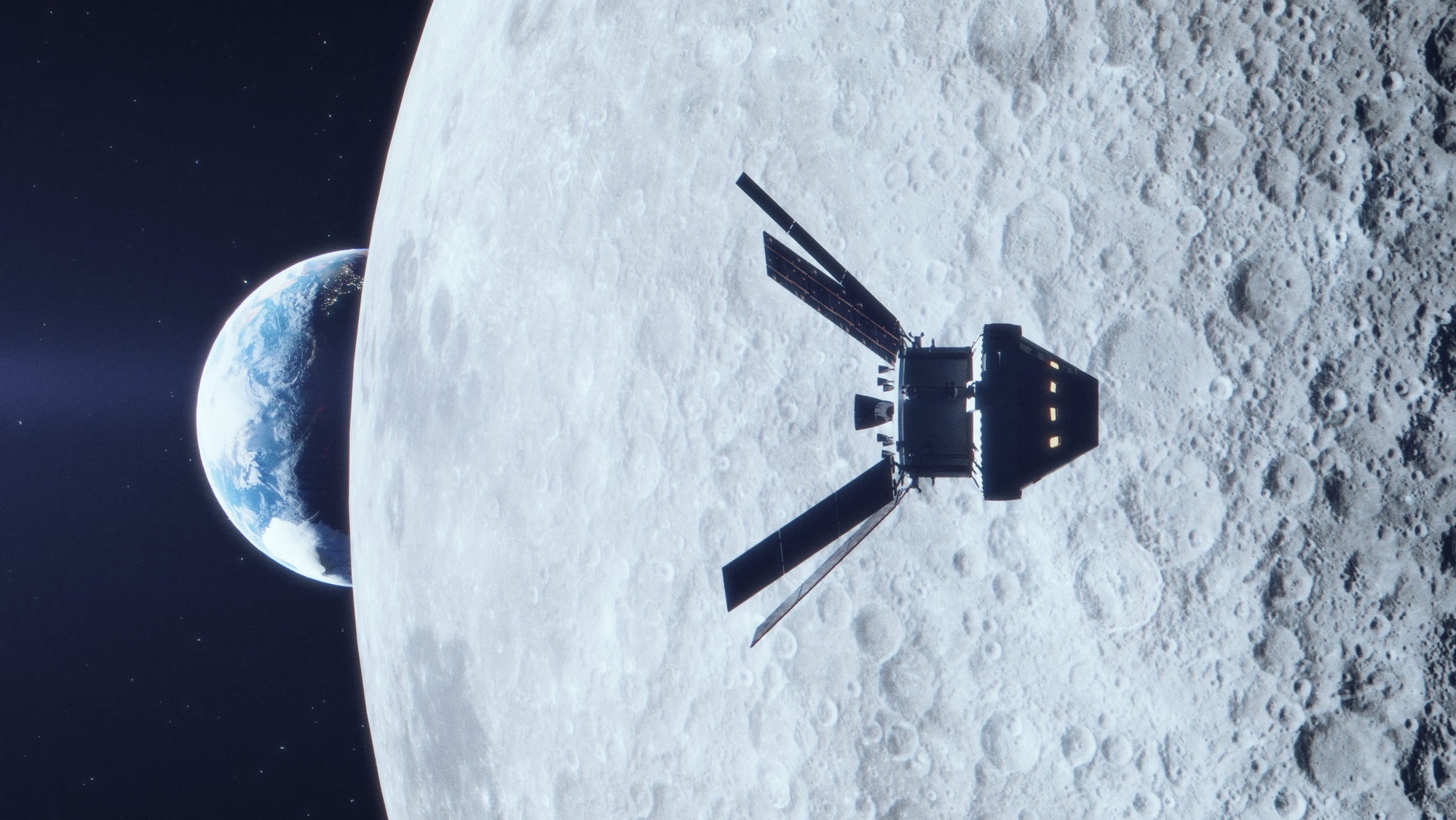
The moon we are chasing — oil at $100 a barrel, naval escorts for tankers, wars to keep the strait open — is receding. The countries that understand this fastest will inherit the next economy. The countries that don’t will spend the next decade paying for the one we’re still fighting over.
That’s not hyperbole. That’s the market.
 whatever because